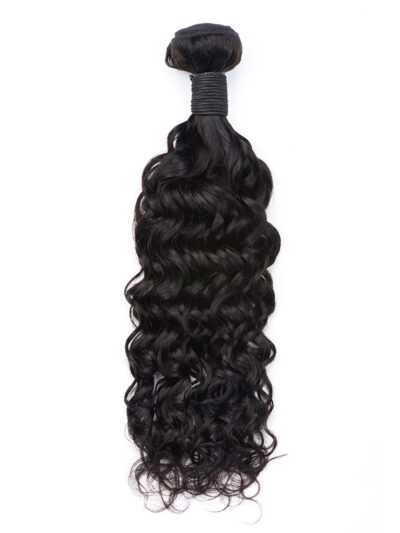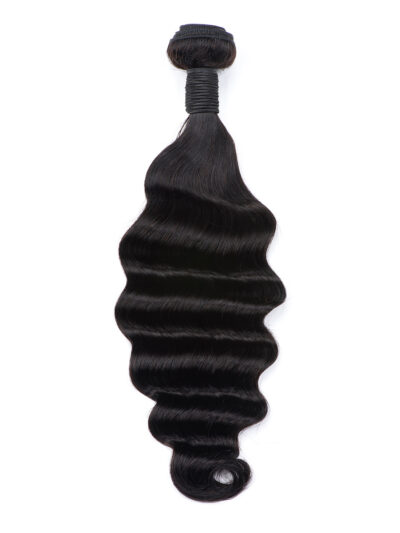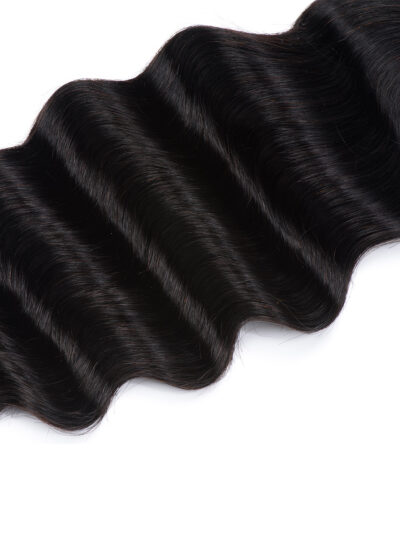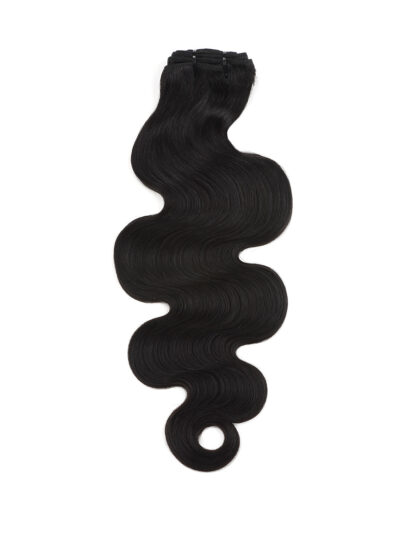
Your cart is currently empty!.
You may check out all the available products and buy some in the shop.
Continue Shopping
High Quality Hair Extension Vendor | The #1 Hair Salon in South Africa For Black Beauties
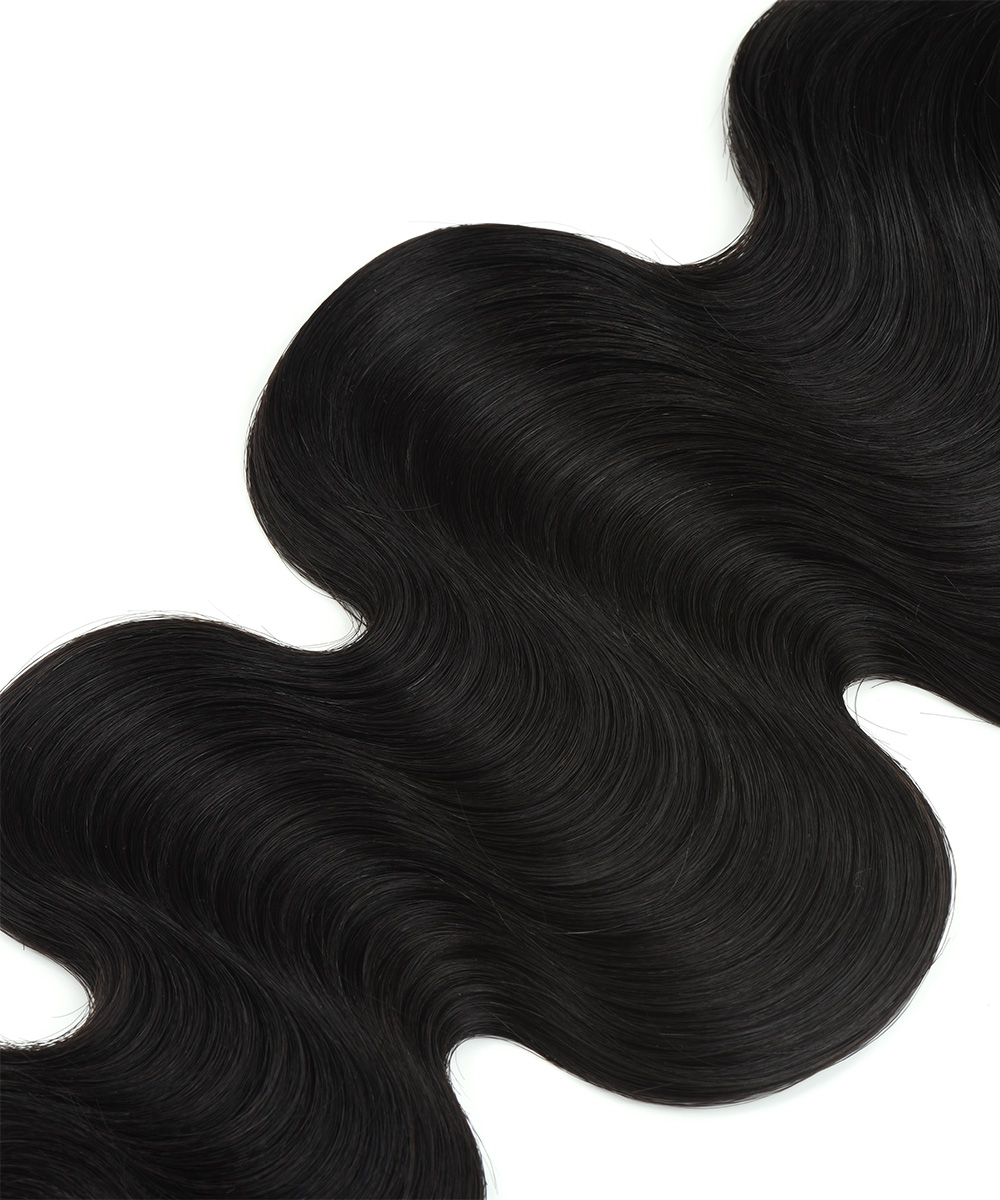
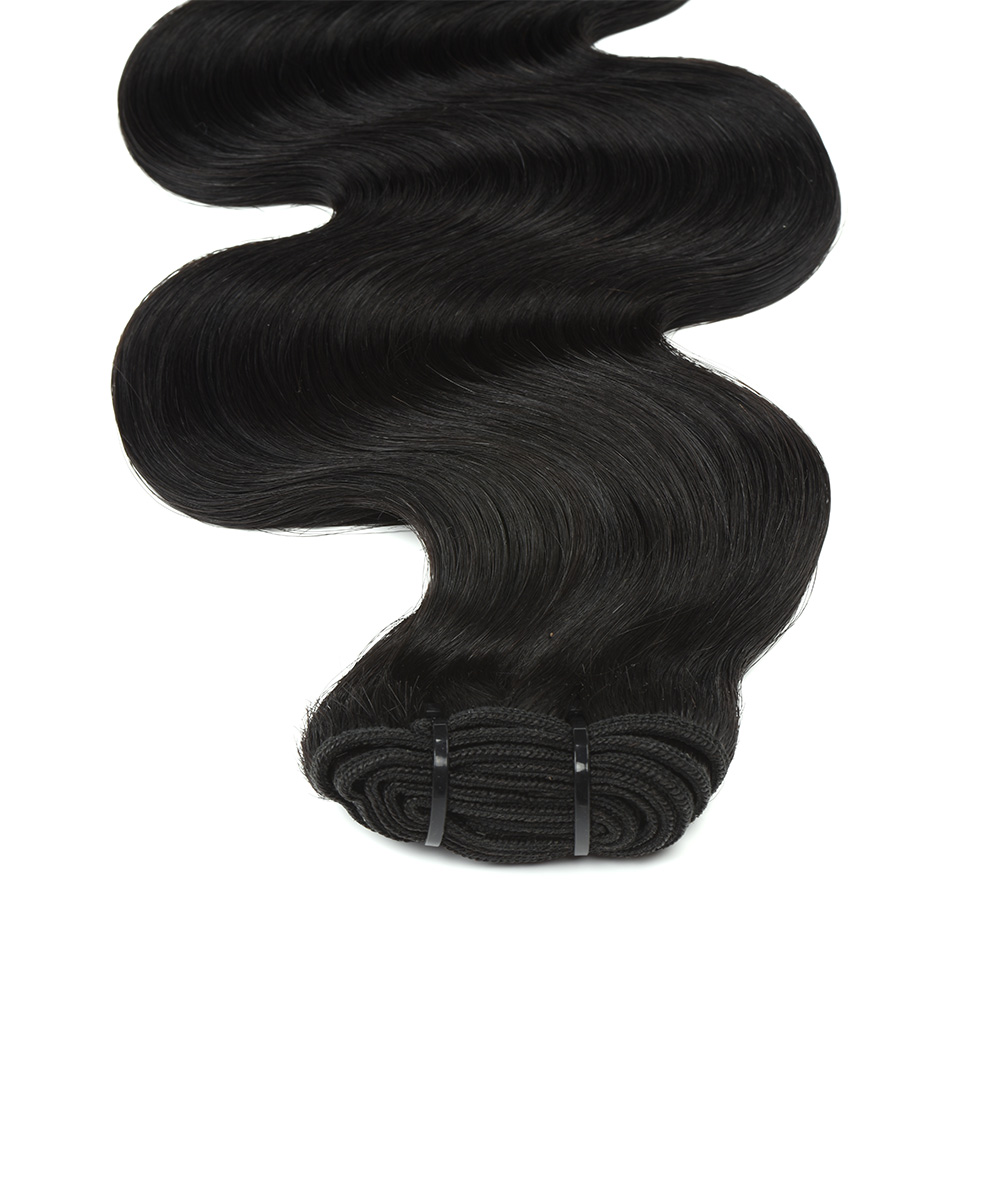
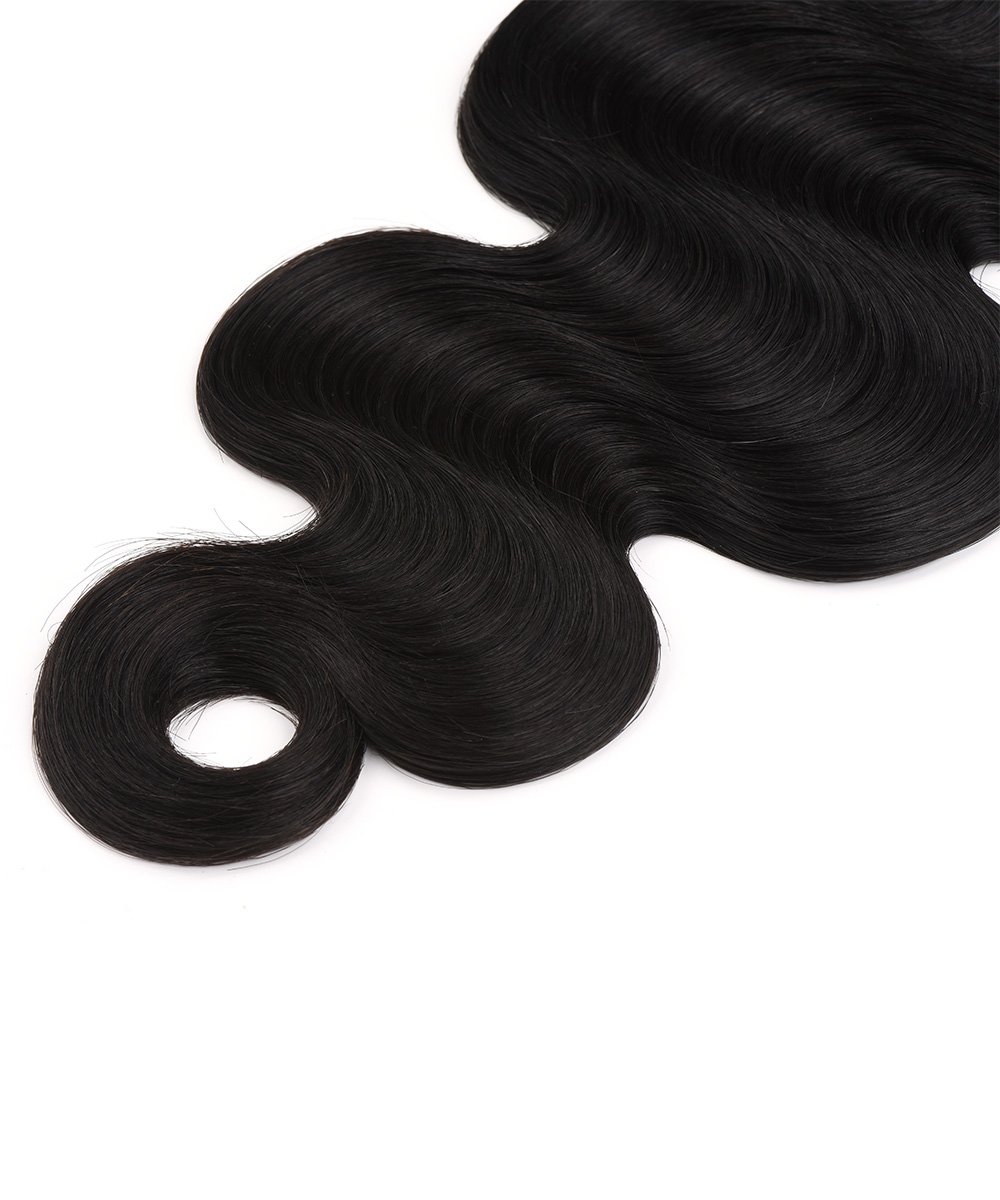
in stock
In stock
Price range: R200.00 through R700.00
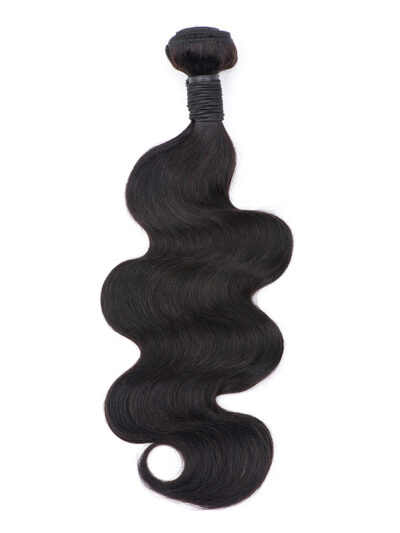
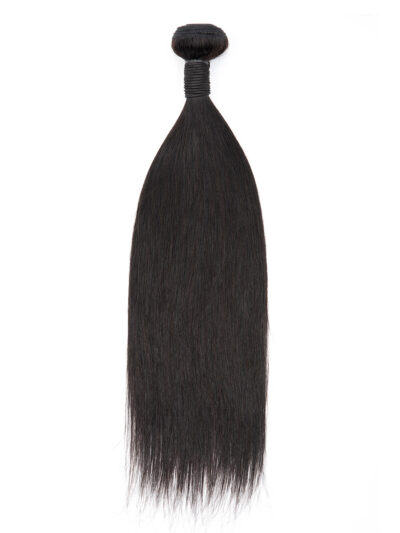
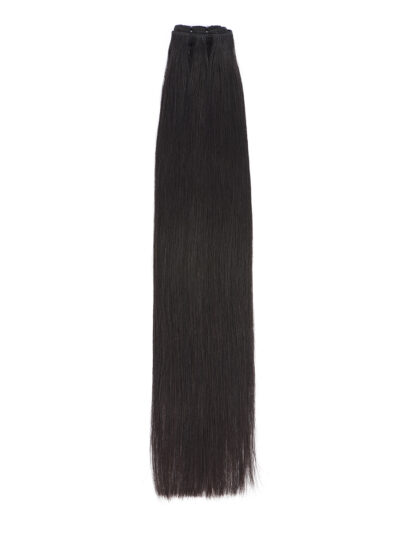
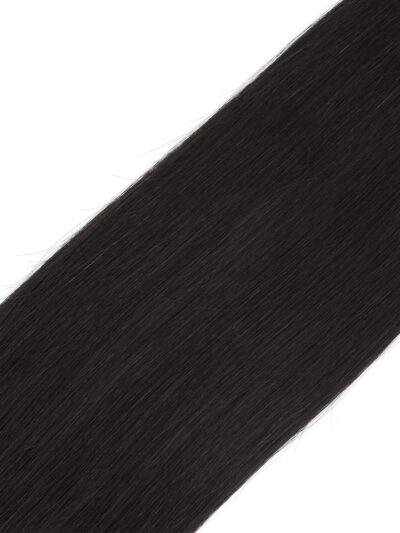
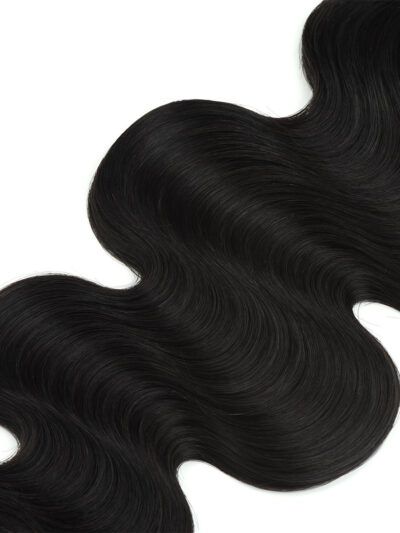
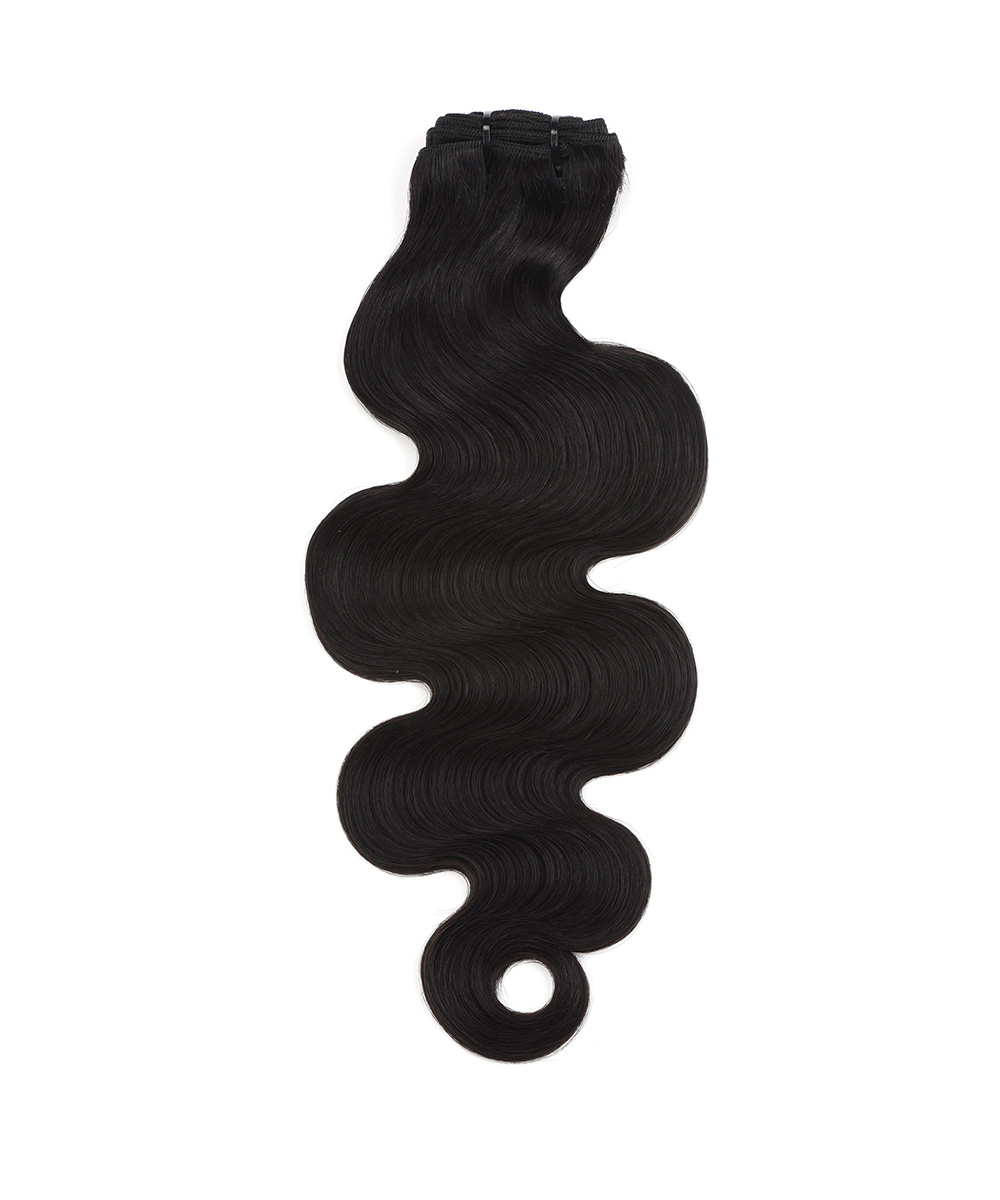
Hair Color: Natural black color-undyed
Hair Type: 100% Vietnamese Hair
Hair Quality: Hair cut from young girl one single donor
Hair Weft Type: Double machine weft to ensure longevity and minimize shedding
Hair Advantages: No shedding, no tangles, no lice, can be straightened, can be curled, can be bleached to any color No chemical processing



What is Raw Vietnamese Hair?

Raw Vietnamese hair refers to 100% natural, unprocessed human hair collected from women in rural areas of Vietnam, who have never dyed or chemically treated their hair. The hair is typically cut in full bundles directly from the donor, with the cuticles aligned in the same direction (i.e., single-donor or cuticle-aligned hair).
High Quality and Durability:
The hair is strong, elastic, and tangle-free, with a typical lifespan of 3-5years.
Perfect for dyeing, curling, straightening, and other styling treatments.
Naturally Straight or Slightly Wavy:
The natural texture is usually straight or slightly wavy, suitable for a variety of hairstyles.
Natural Shine and Soft Texture:
Since it hasn’t undergone acid-washing or silicone treatment, it retains its natural luster.
Healthy Source:
Sourced mainly from women in rural areas with healthy lifestyles, proper diets, and good hair care habits.

| Hair Origin | Vietnamese |
| Hair Material | 100% Raw Hair |
| Hair Grade | No Grade But in Full Ends |
| Hair Color | Natural Black Color-undyed |
| Hair Weft | Double machine weft to ensure longevity and minimize shedding |
| Bleachable | Up to #613 Color(Blonde) |
| Hair Quality | The hair is strong, elastic, and tangle-free, with a typical lifespan of 3-5years. Perfect for dyeing, curling, straightening, and other styling treatments. |
| Hair Advantages | No shedding/No tangles/No lice |
| Features | Can be straightened/can be curled |
| Weight | 100g±5g /piece |

How to Install a Weave: Step-by-Step Guide
| STEP 1. Prepare Your Natural Hair | Before starting the installation, it’s essential to make sure your natural hair is in optimal condition. Wash your hair thoroughly using a gentle shampoo to remove any product buildup, oils, or dirt. Follow with a deep conditioning treatment to restore moisture, strengthen the strands, and improve elasticity. Once your hair is clean, ensure it is completely dry before proceeding to the next step. |
| STEP 2. Create a Secure Foundation | Your weave will only look and feel good if it’s built on a solid base. Depending on your hair type and style preference: Cornrows are the most common base, offering excellent grip and durability. Alternatively, you can wrap your hair flat against your scalp, especially if you’re going for a partial weave or have very short hair. |
| STEP 3. Measure and Trim the Weave | Lay the weft of hair across your foundation to measure the required length for each row. Cut the weave into appropriate sections for layering, allowing a little extra length on each end to make adjustments as needed during installation. This helps ensure a tailored, even fit and reduces waste. |
| STEP 4. Sew in the Weave | Using a curved needle and strong weaving thread, begin sewing the weave onto your base starting at the nape of the neck. Secure the thread with a knot at the beginning, then sew through the weft and the braid or base in a looping motion. Continue from one side to the other, keeping each track flat and tight. Be careful to avoid sewing through your natural hair excessively to minimize breakage |
| STEP 5. Blend with Your Natural Hair | Once all the tracks are in place, use your fingers or a comb to blend your natural hair with the weave for a seamless, undetectable look. You can style the hair using heat tools like a flat iron or curling wand—just ensure you use a heat protectant spray to prevent damage. Trim any uneven ends and shape the style as desired. |
Daily Maintenance Tips for Your Weave
| 1.Detangle Gently Always use a wide-tooth comb or paddle brush to detangle the hair before washing or styling. Start from the ends and work your way up to avoid breakage |
| 2.Wash Carefully Use a sulfate-free, moisturizing shampoo and lukewarm water. Apply the shampoo in a downward motion, avoiding circular rubbing that can cause tangling. Rinse thoroughly to remove all product residue |
| 3.Condition with Care After shampooing, apply conditioner evenly throughout the hair. Rinse with cold water to help close the cuticles and enhance shine. Avoid applying conditioner directly on the braid base to prevent buildup and mildew |
| 4.Dry Properly Gently blot excess water with a microfiber towel. Let the weave air dry whenever possible, or use a blow dryer on a cool setting. Avoid using high heat directly on the base or the threads |
| 5.Minimize Heat Styling Use heated tools only when the hair is completely dry, and limit their use to prevent dryness and split ends. Always apply a heat protectant before styling. |
| 6.Moisturize as Needed Apply a light hair serum or leave-in conditioner to keep the hair hydrated and shiny. Use sparingly to avoid product buildup that can make the hair appear greasy or weighed down |
About ESTER HAIR®
Ester Hair Salon is a professional hair and beauty salon located in Cape Town City Centre, South Africa. Specializing in hair styling, wig installation, hair extensions, lace wigs, weaves, and customized beauty services
Ester Hair Salon delivers high-quality results with a focus on personalized care and modern styling. With highly skilled hairstylists and a strong online presence on Facebook & Instagram, the salon is known for professional service, trendy looks, and customer satisfaction.
Our self-operated S.A. warehouse is located in CAPE TOWN City, ensuring fast and reliable delivery — most domestic orders arrive within 24 to 48 hours. Store Address:
Business Hours (Walk-Ins & Pick-Up Orders)
Monday-Friday: 9:00 AM – 6:00 PM
Saturday: 10:00 AM – 4:00 PM
Weekend & Holidays: Visits by appointment only
Local Pick-up & Uber Delivery available
All products available on our online store are sold at factory-direct wholesale prices, offering unbeatable value and premium quality.
Who We Serve: Hair Salon Owners/Beauty Supply Stores/Online Retailers/Professional Hair Stylists. Whether you’re restocking your salon or launching your own brand, ESTER HAIR® is your trusted wholesale partner for premium human hair products.
Payment Methods

| Size | 10", 12", 14", 16", 18", 20", 22", 24", 26", 28", 30" |
|---|